
Smart Tech, Smarter Travel: AI in 2026 and the Power of a Travel Advisor
The Rise of AI in Travel Planning
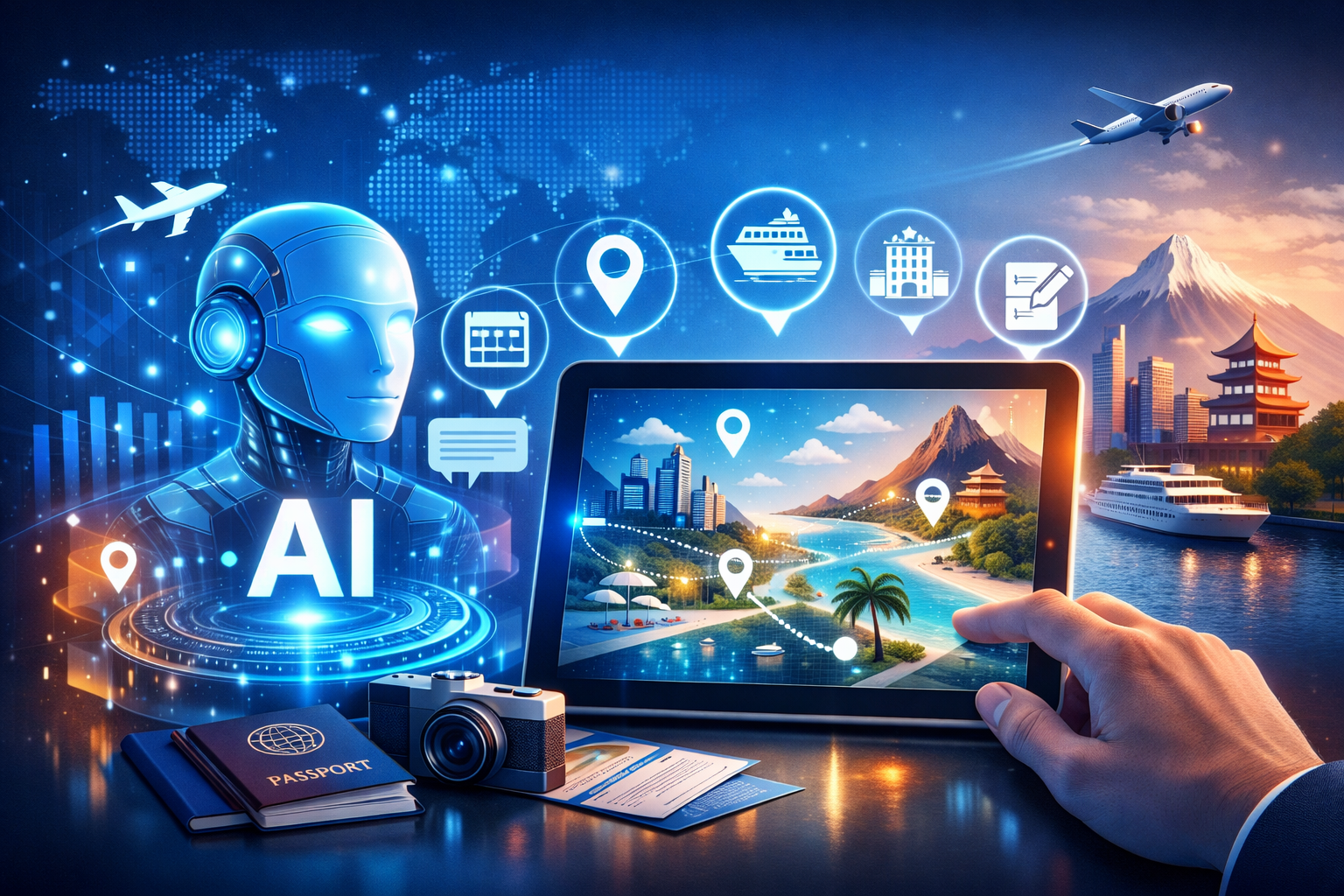
By 2026, artificial intelligence had become a powerful tool in the travel world. Travelers relied on AI for instant price comparisons, destination inspiration, itinerary suggestions, and even predictive travel trends. With a few prompts, technology could generate hotel lists, flight options, and day-by-day plans in seconds.
AI made travel planning faster and more accessible—but faster didn’t always mean better.
While technology delivered information, it couldn’t deliver experience, intuition, or advocacy. That’s where professional travel advisors continued to shine.
What AI Did Well (and Where It Fell Short)
AI excelled at:
Aggregating massive amounts of travel data
Suggesting popular destinations and routes
Tracking pricing trends and availability
Offering inspiration based on preferences
But AI struggled with:
Understanding personal travel styles and emotions
Navigating complex logistics during disruptions
Accounting for real-world nuances like service quality, resort layout, or seasonal expectations
Advocating for travelers when plans changed unexpectedly
Travel planning isn’t just about information—it’s about judgment, personalization, and support.

Why Travel Advisors Became More Valuable Than Ever
As AI tools became widely available, travelers quickly realized that technology worked best alongside human expertise—not instead of it.
Professional travel advisors offered what AI could not:
Personalized insight based on firsthand experience
Curated recommendations beyond algorithms
Real-time problem solving when flights were canceled or weather disrupted plans
Supplier relationships that unlocked perks, upgrades, and priority service
Peace of mind, knowing someone was always in their corner
Advisors used AI as a tool—while providing the heart, strategy, and protection behind every trip.
Human Expertise Meets Smart Technology
In 2026, the most successful travel planning blended AI efficiency with advisor expertise. Technology helped streamline research and logistics, while advisors refined itineraries, anticipated challenges, and ensured every detail aligned with each traveler’s expectations.
This combination resulted in:
Smarter itineraries
Fewer surprises
Better value
More meaningful experiences
Travel became less transactional and more intentional.

The Future of Travel Planning
AI continued to evolve, but one truth remained clear: travel is deeply personal. No algorithm could fully replace understanding how a client wants to feel on their vacation—relaxed, adventurous, celebrated, or completely unplugged.
In an increasingly automated world, travelers valued:
Authentic recommendations
Trusted relationships
Expert guidance
Human connection
That’s why travel advisors didn’t fade away in 2026—they became the differentiator.
Why Working With a Travel Advisor Still Matters
At Northcutt Travel Agency, we embraced innovation while staying grounded in what mattered most: our clients. Technology enhanced how we planned trips, but our expertise, relationships, and commitment ensured each journey was thoughtfully designed and expertly managed.
AI changed the way travel was planned—but advisors made sure it was planned right.
If you’re ready to experience the best of both worlds—cutting-edge tools paired with personalized service—we’re here to help you plan smarter, travel better, and enjoy every moment along the way.